Kardo Knowledge Hub
Expert insights on restaurant management, POS technology, and retail growth.
Latest Posts
View All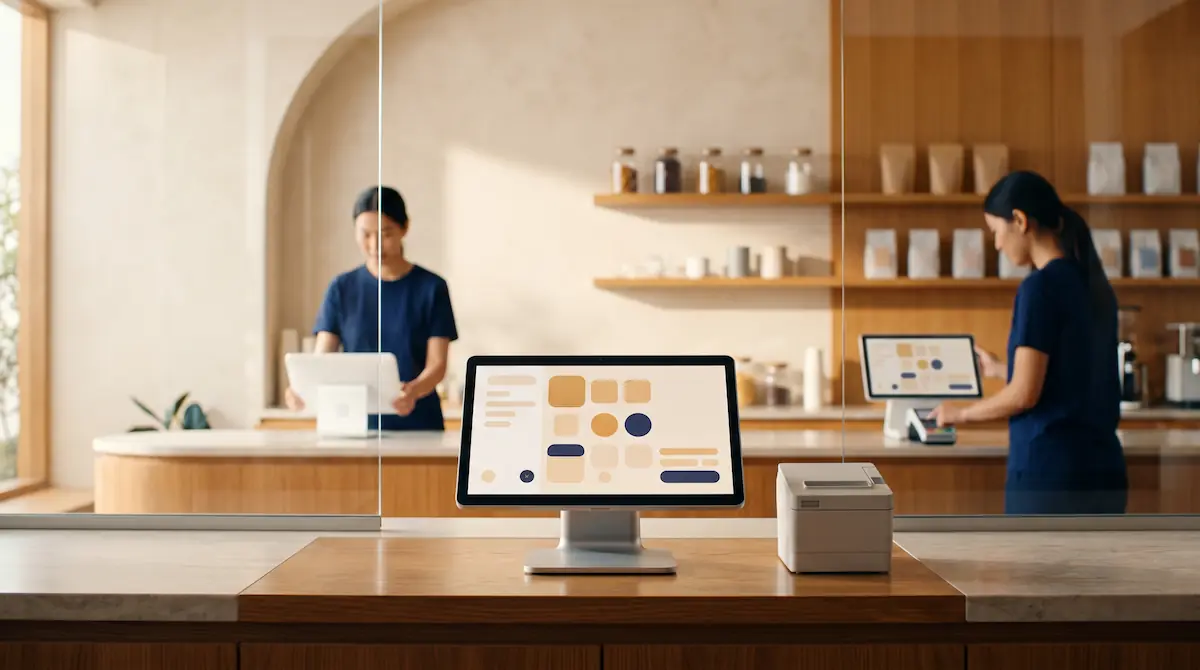
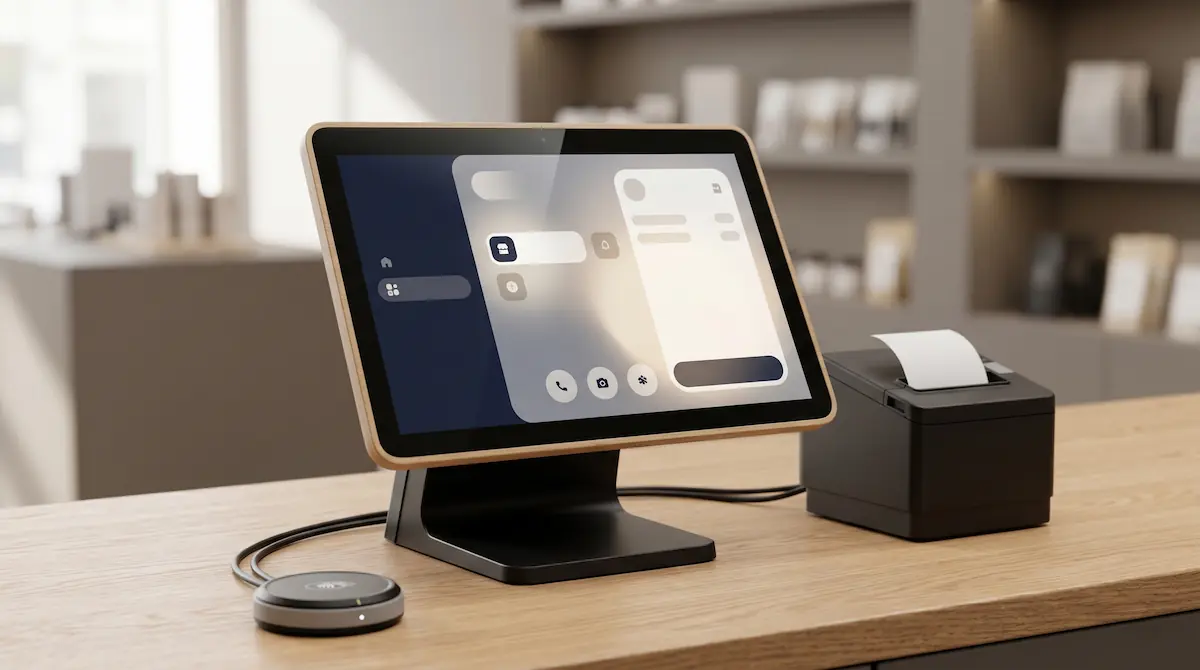
Scalable POS Infrastructure for Growing Businesses: What to Look For
When a second location, online sales or a fast-growing product range arrives, most POS systems hit their limits and a replacement lands on the table. This guide covers the 6 criteria that define a scalable POS system, the real cost of switching, and a 10-question checklist to run before you buy.
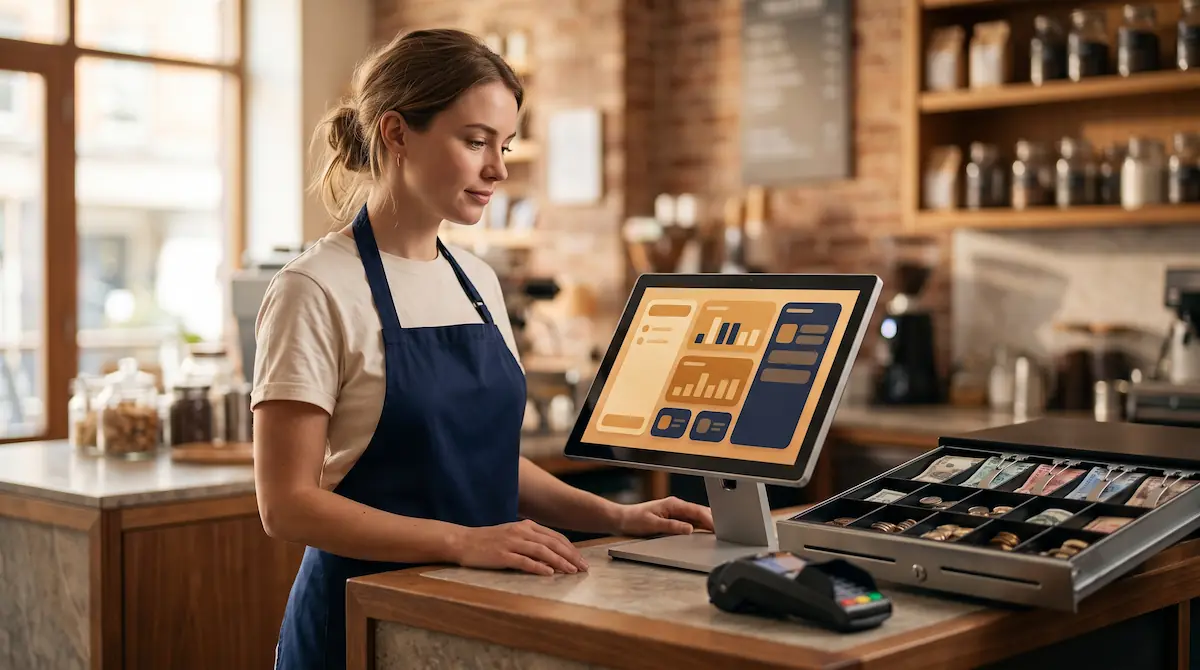
Real-Time Cash Management: 5 Ways to Prevent Cash Discrepancies
Cash discrepancies quietly erode the profit of most cash-heavy businesses. With real-time cash-drawer tracking, per-employee accountability, and clean multi-channel payment control, this guide shows you 5 practical ways to bring those shortages down to zero.
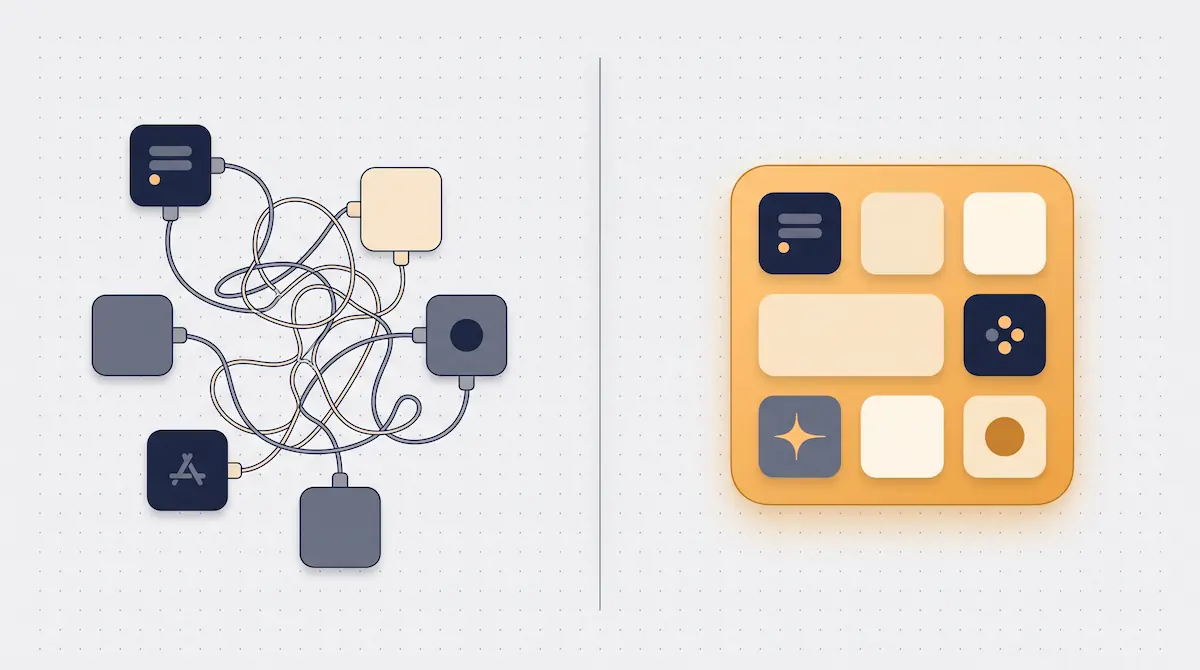
Why Choose an All-in-One POS System? Cost and Efficiency Analysis
An all-in-one POS brings sales, stock, staff, and bookkeeping onto a single platform instead of separate programs. It removes the license, integration, training, and data-mismatch cost of running separate tools. This article looks at the total cost of ownership and the efficiency gap.
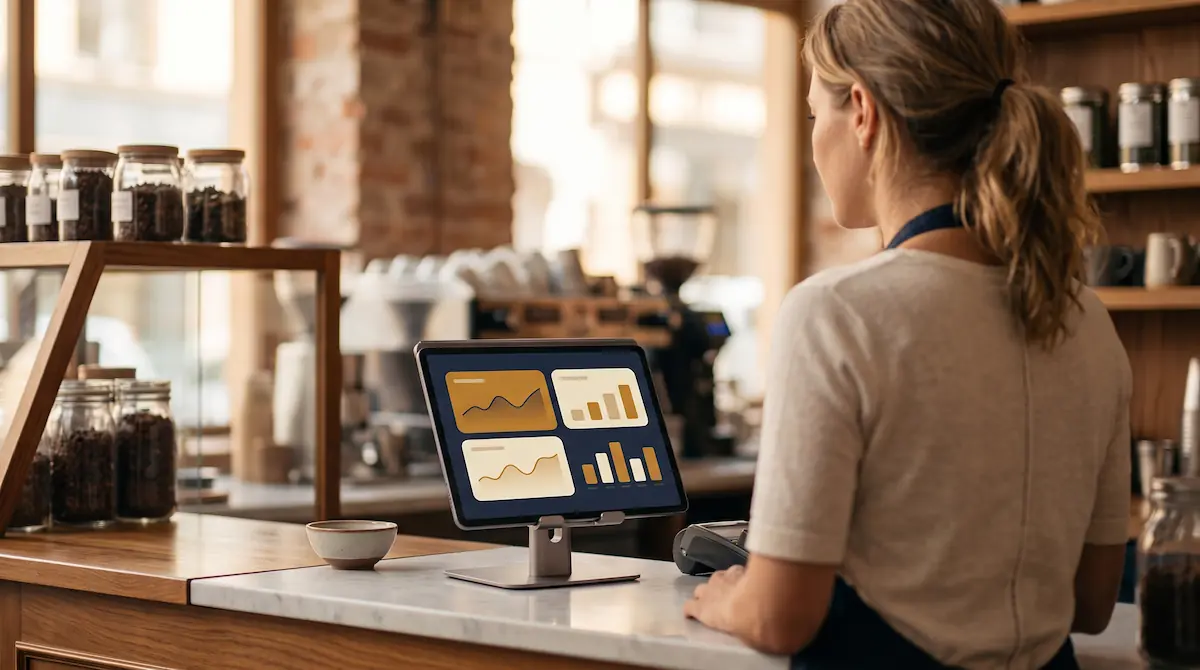
Accounting Software for Small Business: POS-Integrated Bookkeeping
Small-business accounting software records a business's daily income, expenses, cash flow, invoices, and account balances. In a POS-integrated solution this data is created automatically alongside each sale, so you don't need a separate accounting program to keep your day-to-day books.

Multi-Branch Staff and Inventory Management: A Complete POS Guide
For a business with more than one location, the hard part isn't the system — it's keeping staff and stock balanced across branches every day. This guide covers running a multi-branch chain day to day through your POS: who's working where, what's short where, and which branch is actually profitable.
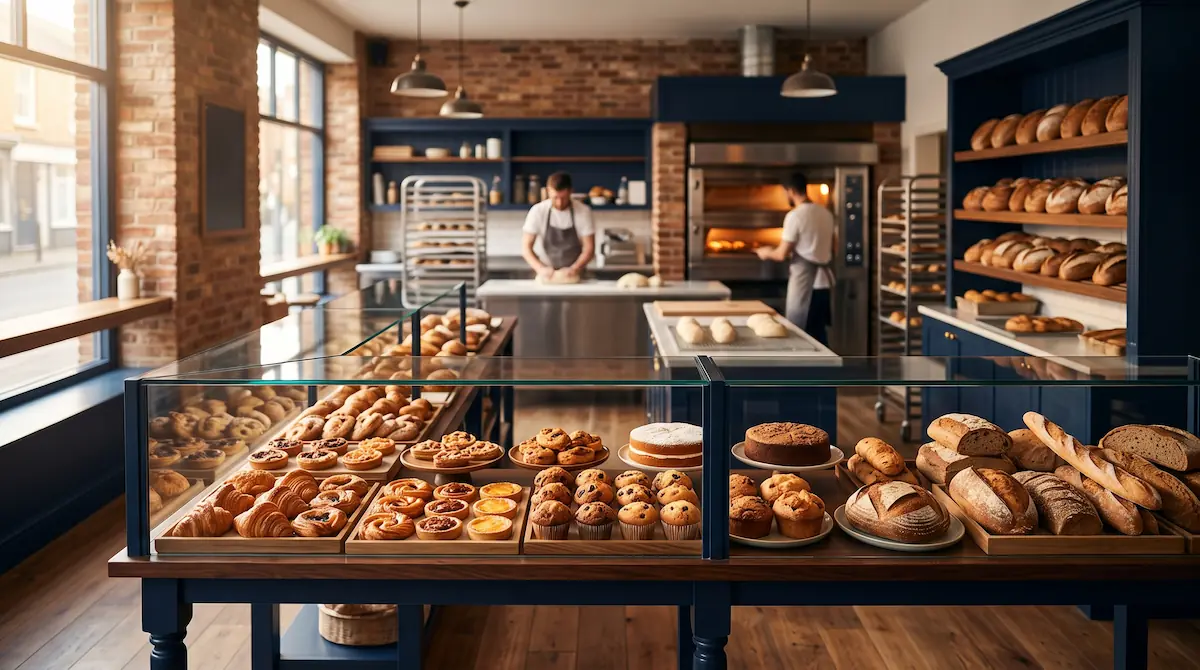
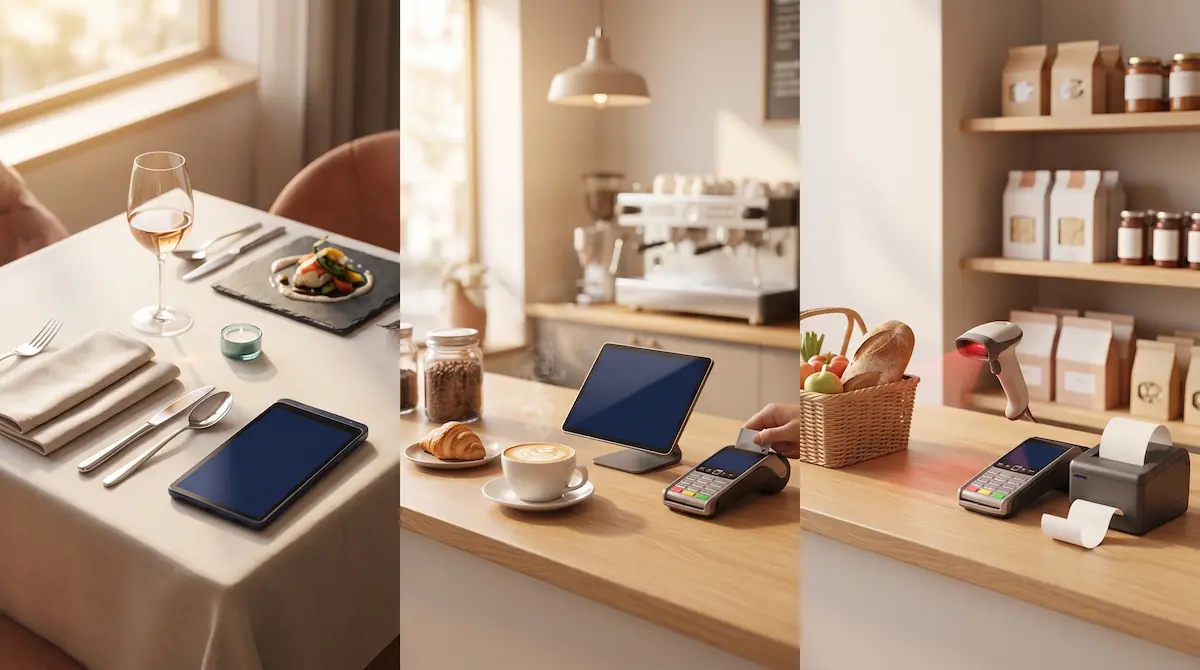
From Production to Shelf: Integrated Stock Tracking for Bakeries
For bakeries, patisseries, and delis that make what they sell, stock flows on two layers: a raw-material store and a sales shelf. An integrated POS manages the whole chain end to end — ingredients drop during production, finished goods enter the shelf, and the shelf depletes at the till.
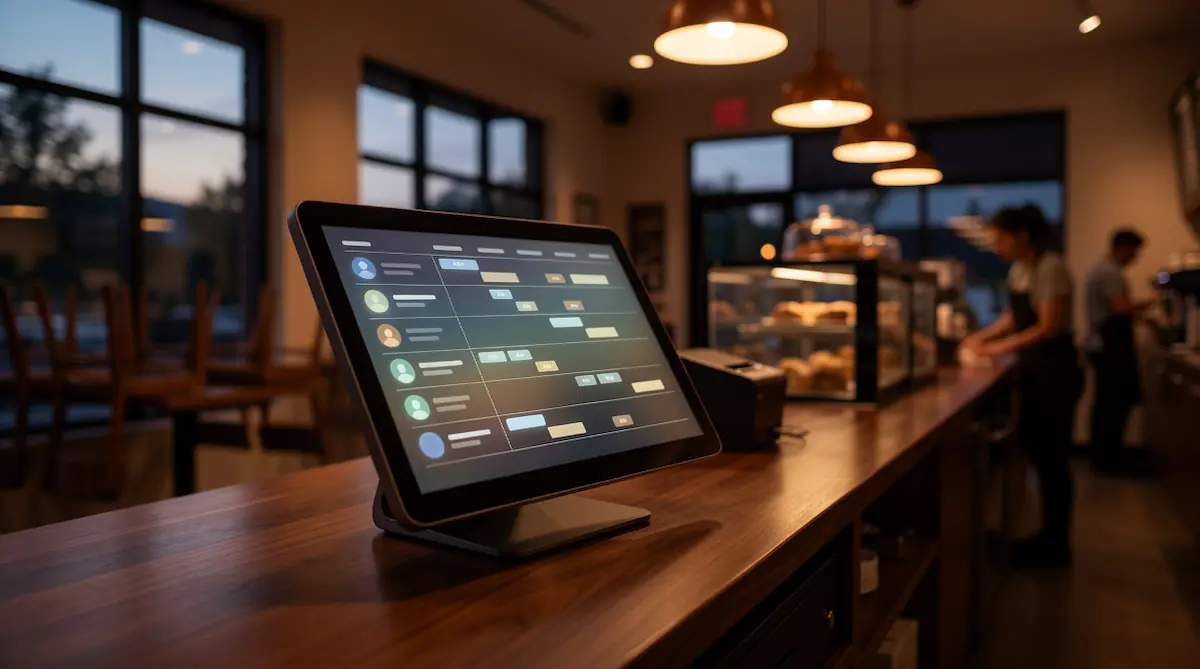
Employee Time Tracking via POS: Staff, Shift & Performance Management
A complete guide to running your entire workforce — clock-in and clock-out, shift planning, access permissions, and individual sales performance — directly from your POS system, without a separate time clock or HR tool.
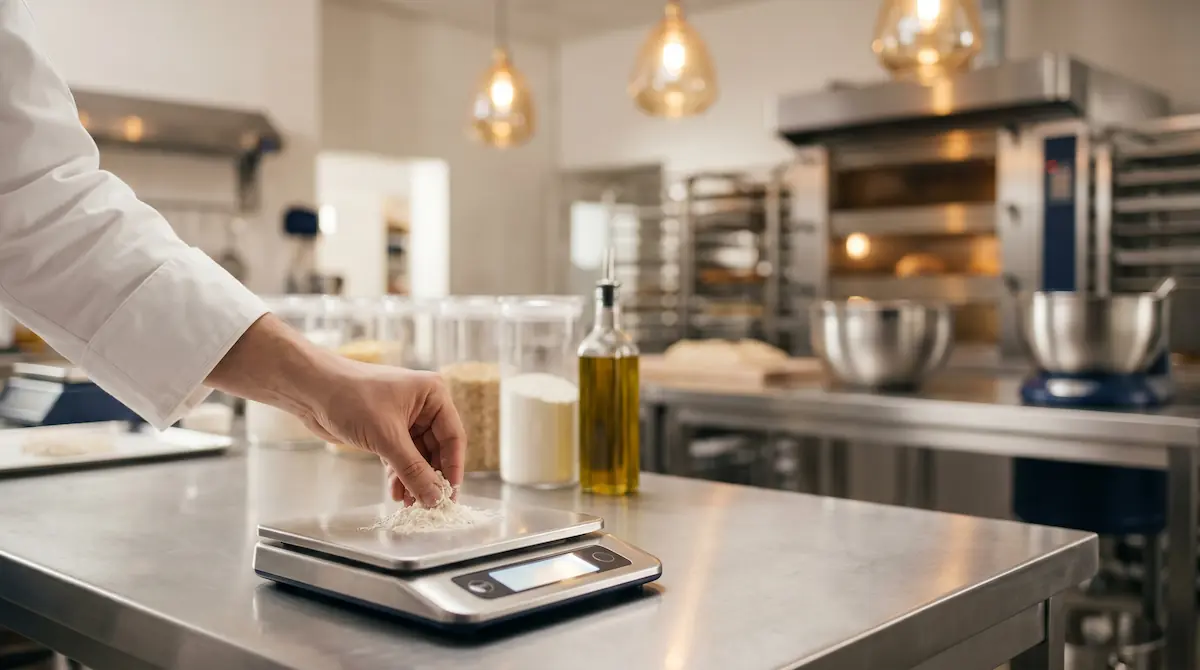
Recipe Management: Production Cost Control for Bakeries & Restaurants
Recipe management defines the ingredients and portion sizes behind every product you make, then deducts raw materials from stock on each sale or production order. It is the foundation of consistent portions, accurate food cost and waste control for restaurants, bakeries and caterers.
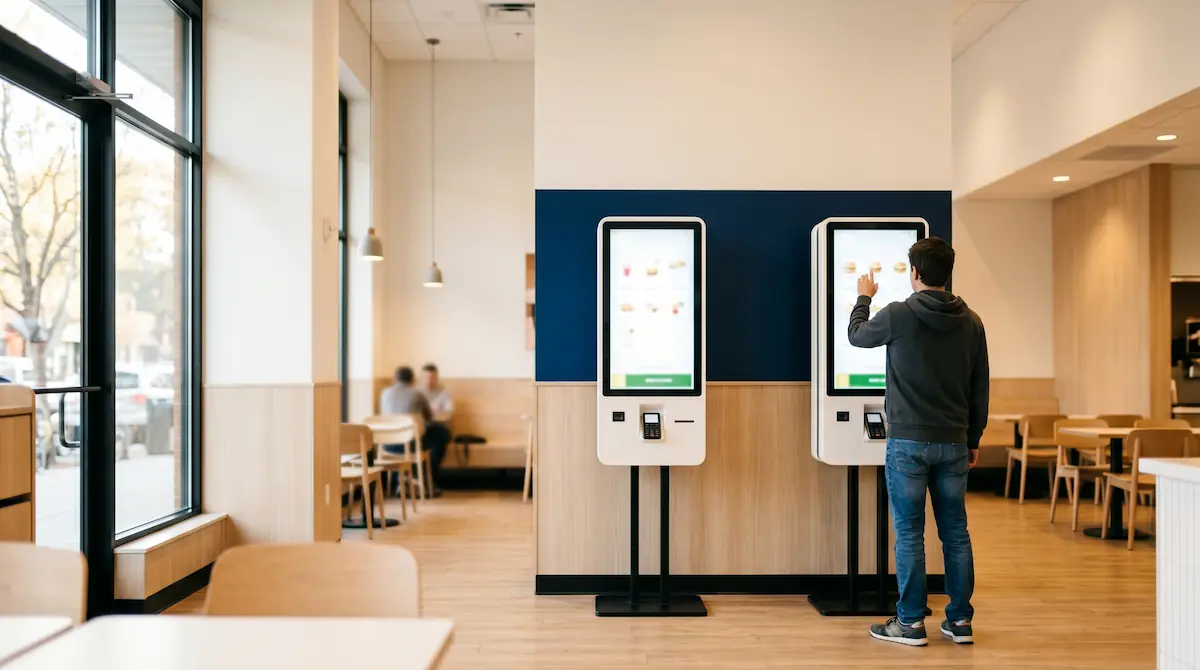
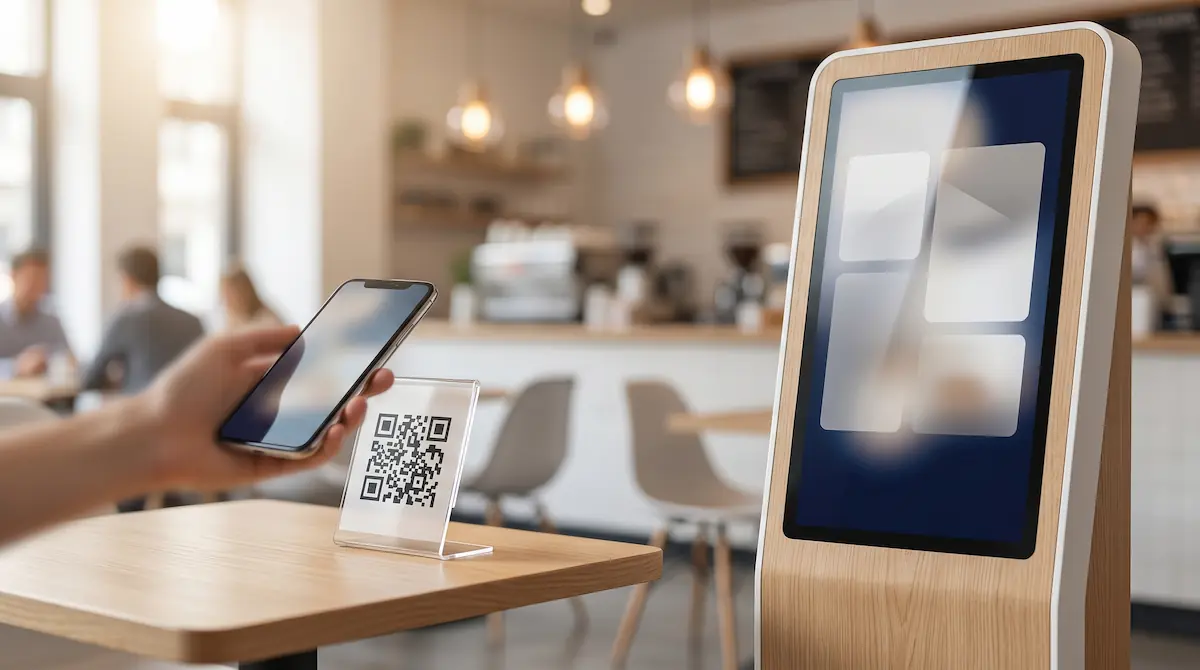
Self-Service Kiosk Ordering System: A Complete Guide for Fast Food & Cafes (2026)
What is a self-service kiosk ordering system, how does it work, and why are fast food chains and cafes investing in them? A practical guide covering queue reduction, the 20–30% average order value lift, costs, setup requirements and POS integration.
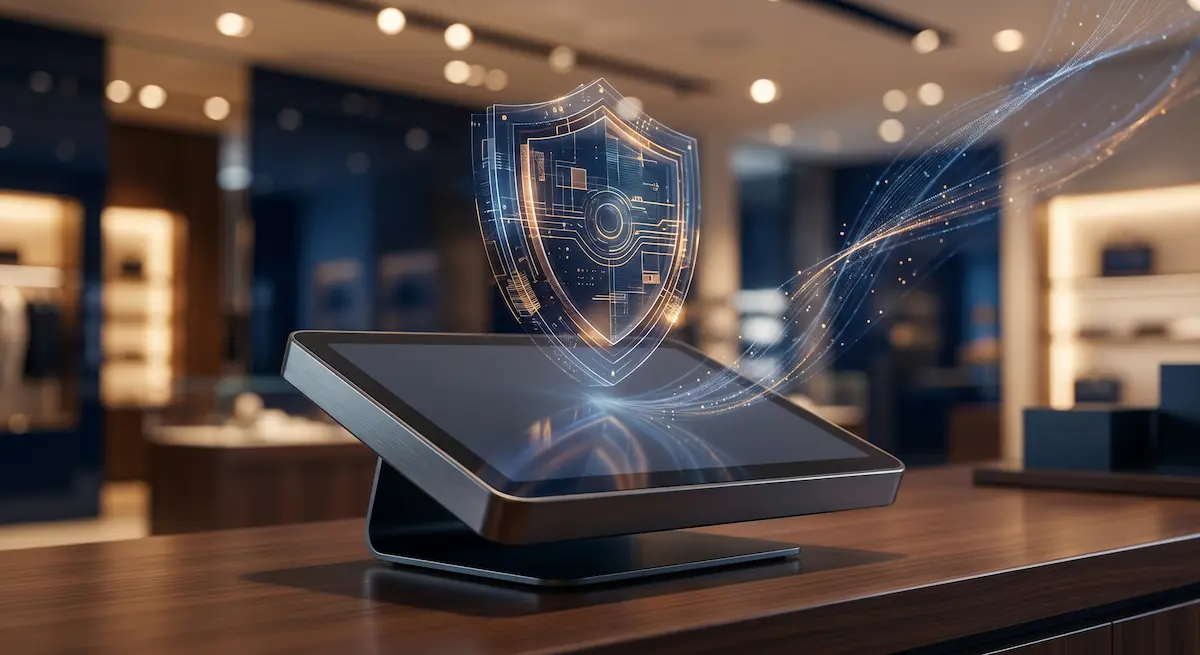
POS System Security: Payment Data Protection Complete Guide
POS security protects card, customer, and sales data through encryption, access controls, and PCI-DSS compliance. This guide covers real-world threats, encryption layers, staff permissions, fraud prevention, breach response, and GDPR-aligned customer data protection — with concrete actions.
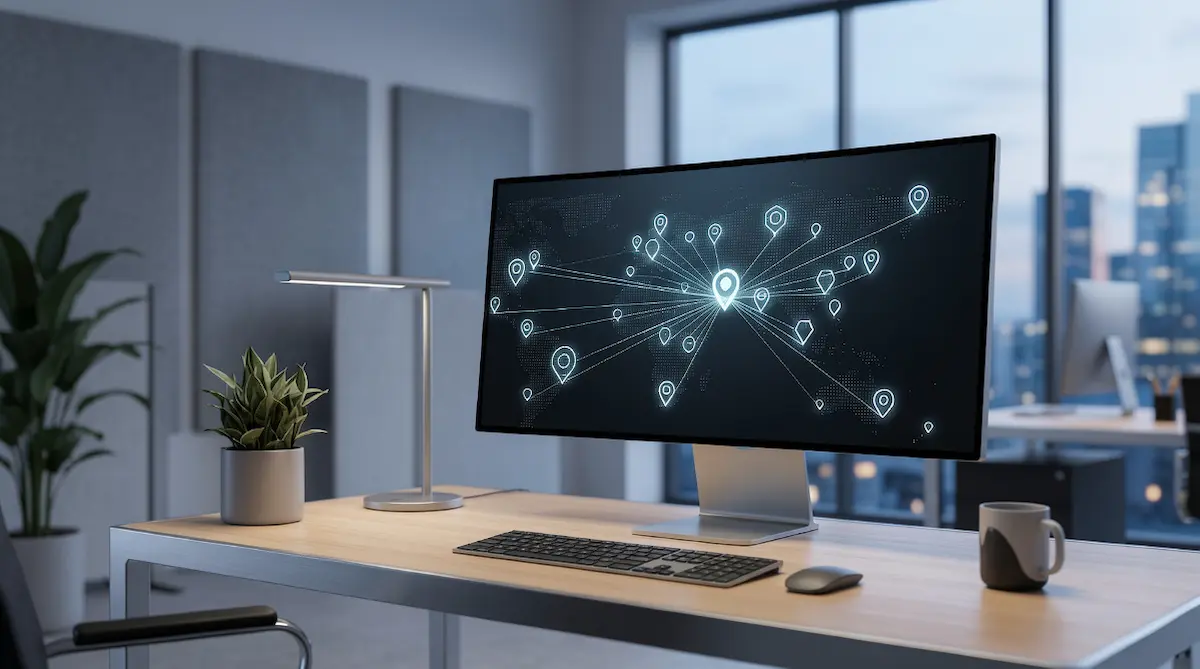
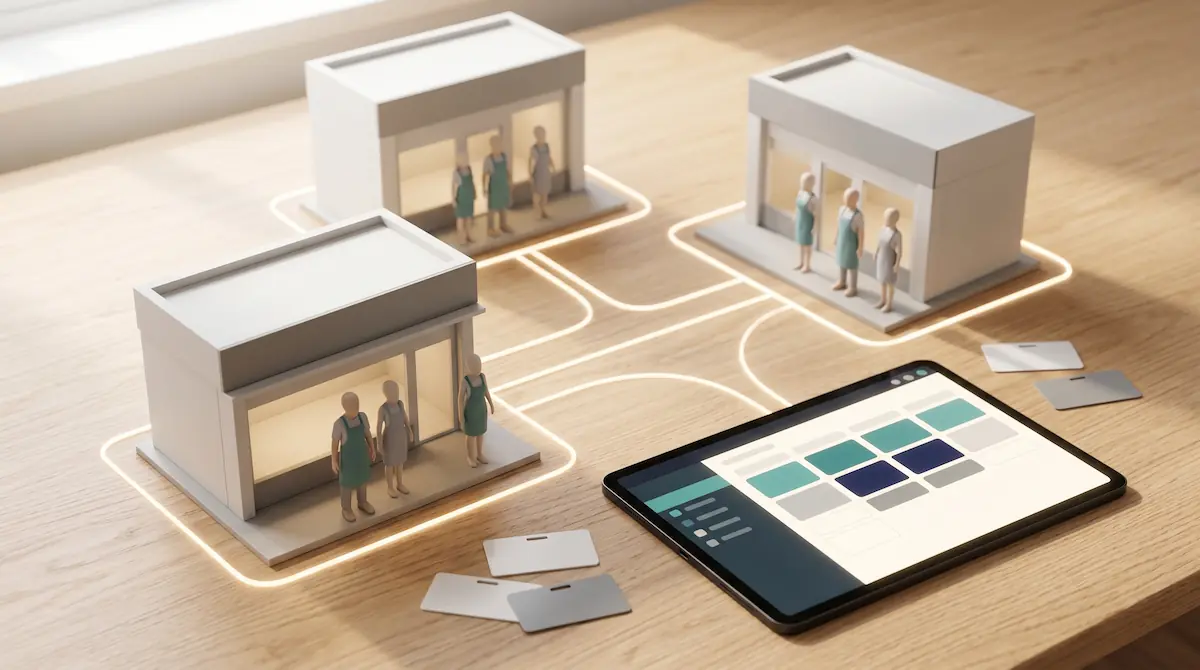
Multi-Location POS Management: A System Architecture Guide for Chain Businesses
A technical guide to centralized POS systems for chain businesses — how cloud-based architecture lets you manage every branch from one dashboard, why offline resilience matters, and how the system scales from 2 to 50+ locations.
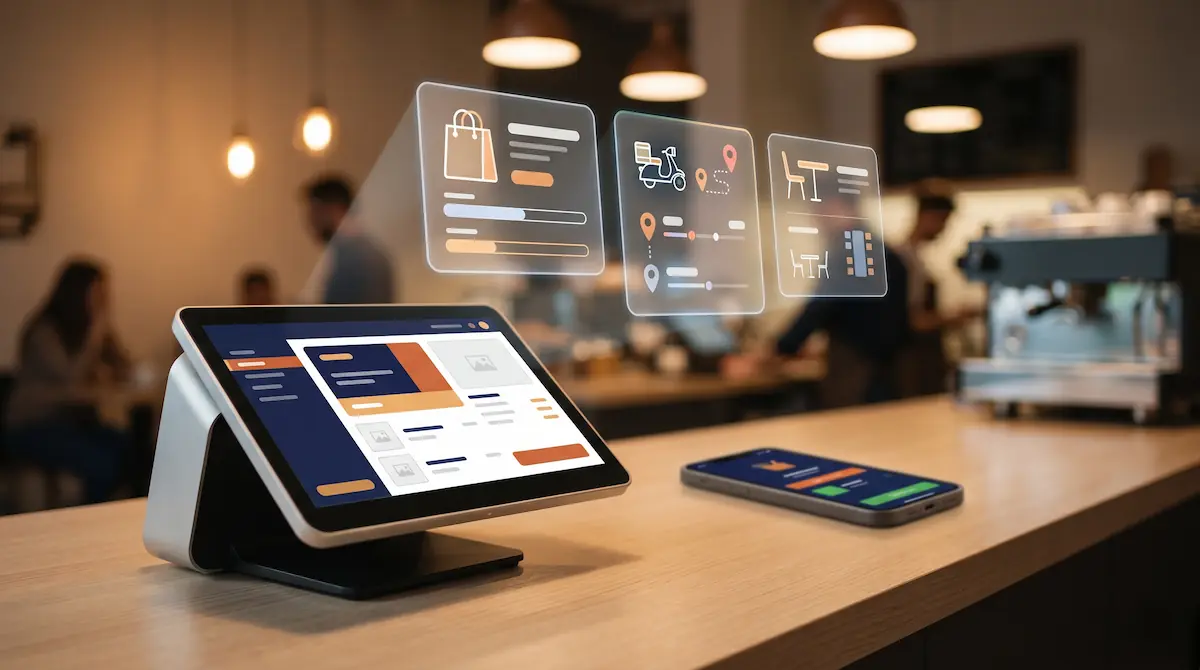
Omnichannel POS: Manage Your Online Store and Physical Shop Together
A practical guide for restaurants, cafes, and shops that sell both in-store and online: unified inventory, food delivery integrations, marketplace connections, and automated invoicing in a single POS.
Categories
Get the latest insights delivered to your inbox
Join 5,000+ restaurant and retail owners receiving weekly tips, product updates, and success stories.
No spam. Unsubscribe anytime. We respect your privacy.
Ready to Go
Digital?
Not sure which package is right for you? Let our experts call you, listen to your needs, and offer the best solution.
- No setup fees or hidden costs
- 14-day free trial opportunity
- Free migration of your existing menu to the system