
Real-Time Cash Management: 5 Ways to Prevent Cash Discrepancies
August 12, 2026
A cash discrepancy is the gap between the amount that should be in the drawer at the end of the day and the amount actually counted. The expected balance is calculated from the day's cash sales and drawer movements; when the physical count falls below that figure, the difference is recorded as a shortage. Small but recurring shortages quietly eat into profit.
In a busy cafe, shop, or restaurant, a €20-30 shortfall at close is often waved away as "one of those things." Yet a small gap that repeats five days a week, twenty days a month, adds up to a serious figure by year-end. Worse, when nobody knows where the shortage comes from, the problem spreads from cash handling all the way to trust in your staff.
The good news: cash discrepancies are almost entirely preventable. The key is to track the drawer in real time rather than waiting for the end of the day, and to make responsibility clear. This guide first looks at why shortages happen, then walks through 5 concrete ways to eliminate them with POS-backed real-time cash management.
Why Do Cash Discrepancies Happen? The 6 Most Common Causes
Fixing shortages starts with recognising what causes them. In practice, most discrepancies trace back to one of these six:
Human error and change-making: Giving the wrong change during a rush, keying in the wrong amount, or mixing up coins. Usually it's speed and carelessness, not bad intent.
Unrecorded transactions: A sale rung up outside the POS, or a refund or discount that never made it into the system. The physical cash then no longer matches the record.
Employee misuse: Rare but real. Taking cash without recording it, entering fake refunds, or voiding a sale and pocketing the money — all invisible when nobody tracks who touched the drawer and when.
Multi-channel payment confusion: Cash, cards, meal vouchers, and transfers getting mixed up. A meal-voucher payment counted as cash by mistake makes the drawer count look short or long.
A late, messy end-of-day count: When the drawer is counted only once, at close, while tired, the margin for error grows — and if a shortage appears, it's impossible to tell when in the day it happened.
Handover gaps: When a shift changes without counting the drawer, it's unclear which cashier a shortage belongs to. With shared blame, the problem repeats.
What these six share is a lack of visibility. When a cash movement isn't recorded the moment it happens, the shortage only surfaces once it's too late to trace. That's exactly where the fix begins: making tracking real-time.
What Is Real-Time Cash Management, and Why Does It Matter?
Real-time cash management means the drawer's expected cash balance updates with every transaction and can be viewed at any moment. Each cash sale is added to the balance, each refund or payout is subtracted — so the question "how much should be in the drawer right now?" is answered without waiting for the end of the day.
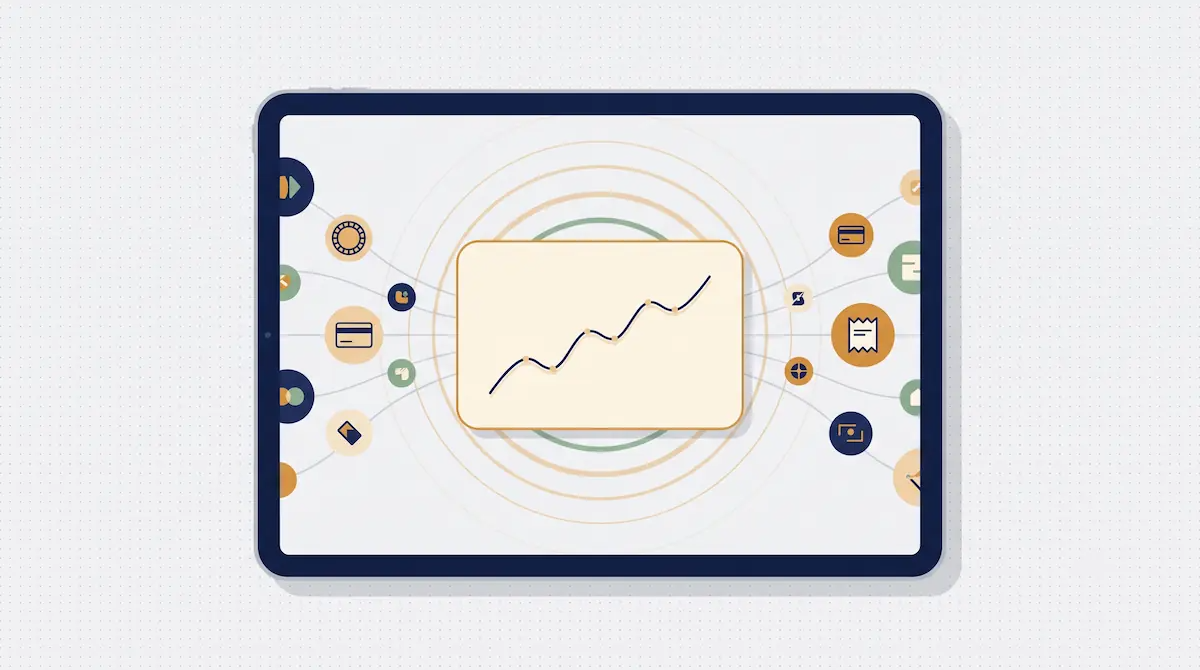
The difference from an end-of-day count is a change of layer. In the classic method, the owner only learns the situation when the drawer is counted in the evening; with real-time tracking, the expected balance is always known and can be checked against a physical count at any time. The difference is seeing a problem the moment it occurs — not twelve hours later.
Don't confuse real-time cash management with cash-flow tracking at the bookkeeping level. Cash flow answers "where did money come from this month, and which expenses did it go to?" at a managerial level, and we cover that in a separate article. This article is about the drawer itself: the cash that should be in it at this moment versus the cash that actually is. Now let's move to the five ways to bring that gap to zero.
Way 1: Assign a Cash Drawer per Employee
The single most powerful step in preventing shortages is to personalise responsibility. In a system where everyone works from one shared drawer, a "shared irresponsibility" sets in — when a shortage appears, no one owns it. Per-employee cash management reverses that.
The logic is simple: each cashier signs in to the POS with their own PIN or user card and, for the length of their shift, is responsible only for their own transactions. The opening float is recorded at the start of the shift; at the end, the expected balance is calculated from that cashier's cash transactions and compared against a physical count. So when a shortage appears, it's clear which shift and whose drawer it came from.
The handover moment is a critical part of this system. If a drawer is passed to the next shift without being counted, the chain of responsibility breaks. The correct flow is: the outgoing cashier counts the drawer, confirms the amount in the system, and the incoming cashier starts with that verified opening figure. In Kardo POS this handover can be done quickly by scanning the cashier's QR code — who took over the drawer, when, and with what amount is logged automatically.
This approach has a useful deterrent effect too: knowing that everyone owns their own drawer reduces both carelessness and misuse from the start. When responsibility is visible, shortages fall on their own.
Way 2: Track Every Payment Method Separately
A modern business doesn't have a single "till"; cash, credit/debit cards, meal vouchers, and bank transfers all flow together. A significant share of cash discrepancies comes from these channels getting mixed up.
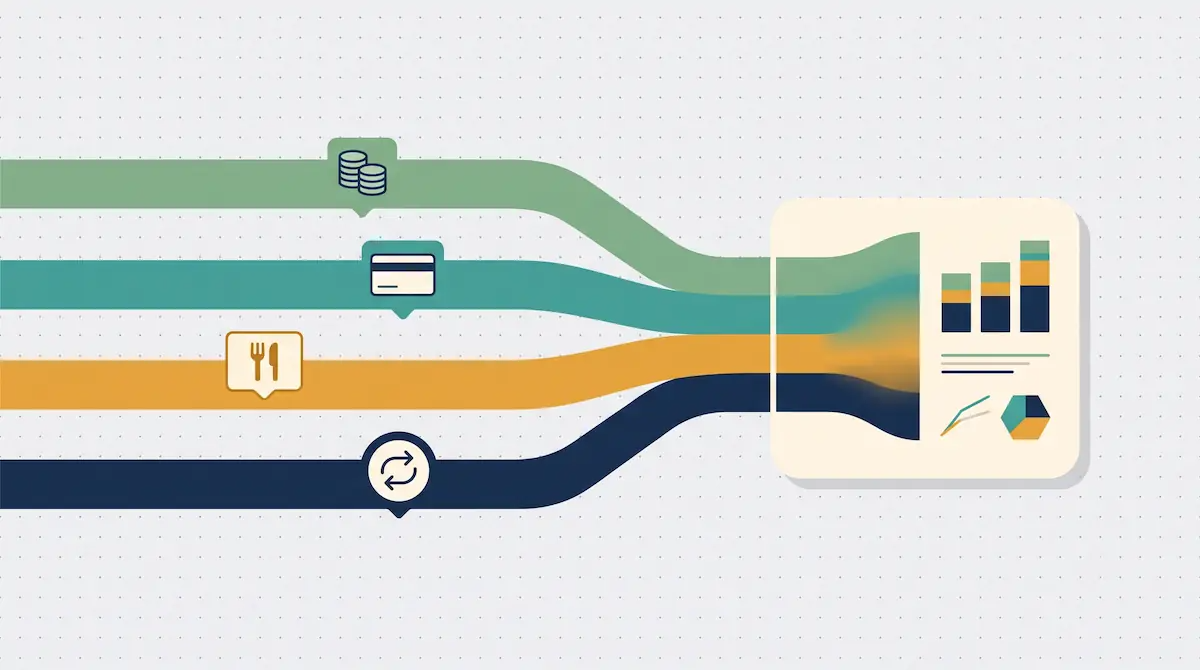
The rule of healthy cash tracking is simple: only cash affects the drawer balance. Card, meal-voucher, and transfer payments never enter the physical drawer; they're tracked in their own channels. If a cashier records a meal-voucher payment as cash by mistake, the system's expected cash balance comes out higher than it should, and at close it looks like a "shortage" — when in fact there's no real loss, only a misclassification.
Having the POS record the payment method separately on every transaction cuts this confusion off at the source. At the end of the day the system gives you four separate figures: expected cash, card total, meal-voucher total, and transfer total. You physically count only the cash and reconcile the rest against your bank and card settlement statements. So when a mismatch appears, it's immediately clear which channel it's in; instead of treating all payments as one pile and hunting for the source for hours, you go straight to the relevant channel.
Way 3: Set Up Live Balances and Alerts
The real power of real-time tracking is that it doesn't just show the balance — it flags deviations early. When the expected balance is calculated continuously, you can do a spot count at any point during the day and compare it against the system figure. The shortage is caught in the shift it happened, not left until the evening.
Two practical mechanisms help here. The first is the interim count: a quick count after a busy lunch service checks whether the drawer still matches the expected balance up to that point. Even a small difference is far easier to explain when it's spotted early, while you can still recall what happened in that window. The second is thresholds and alerts: you can set a cash-pickup (drawer sweep) alert when cash in the drawer exceeds a set amount for security, or a manager alert when the gap between the expected balance and an interim count crosses a limit.
Permission levels reinforce this layer. When the transactions most exposed to shortages — refunds, sale voids, and manual payouts — are tied to an authorised user or require manager approval, both error and misuse become less likely. The goal isn't to make life hard for the cashier; it's to make high-risk actions visible and traceable.
Way 4: Record Tips and Non-Sale Movements
A sneaky source of cash discrepancies is money that enters or leaves the drawer without being a "sale." When these aren't recorded, the end-of-day count never balances.
The most common item is tips. If cash tips land in the drawer but never enter the system, the extra cash creates a "reverse shortage" confusion; then, once distributed to staff, it looks short instead. The right method is to record tips as a separate line and keep them apart from the drawer balance. The same applies to these movements:
Payouts from the drawer: A cash-on-delivery payment, a courier fee, or an urgent supply run paid from the drawer must be recorded with a payout slip.
Advances and staff payments: Advances handed out from the drawer show up directly as a shortage if they aren't recorded.
Store credit and later collection: A sale that leaves on "I'll pay later" instead of cash should be tracked in the customer account until collected, not confused with a cash shortage.
Change and cash top-ups: Adding coins or extra cash to the drawer during the day must also be recorded as a drawer entry.
The rule fits in one sentence: every coin that enters or leaves the drawer must rest on a record. When non-sale cash-in/cash-out actions are logged with one tap on the POS, the end-of-day expected balance mirrors reality exactly, and the fake differences that "look like a shortage" disappear.
Way 5: End-of-Day Count and the Cash Count Sheet
Even with real-time tracking running all day, a disciplined count still closes it out. The end-of-day close is the moment that brings the expected balance and the physical count face to face and formally closes that day's responsibility.
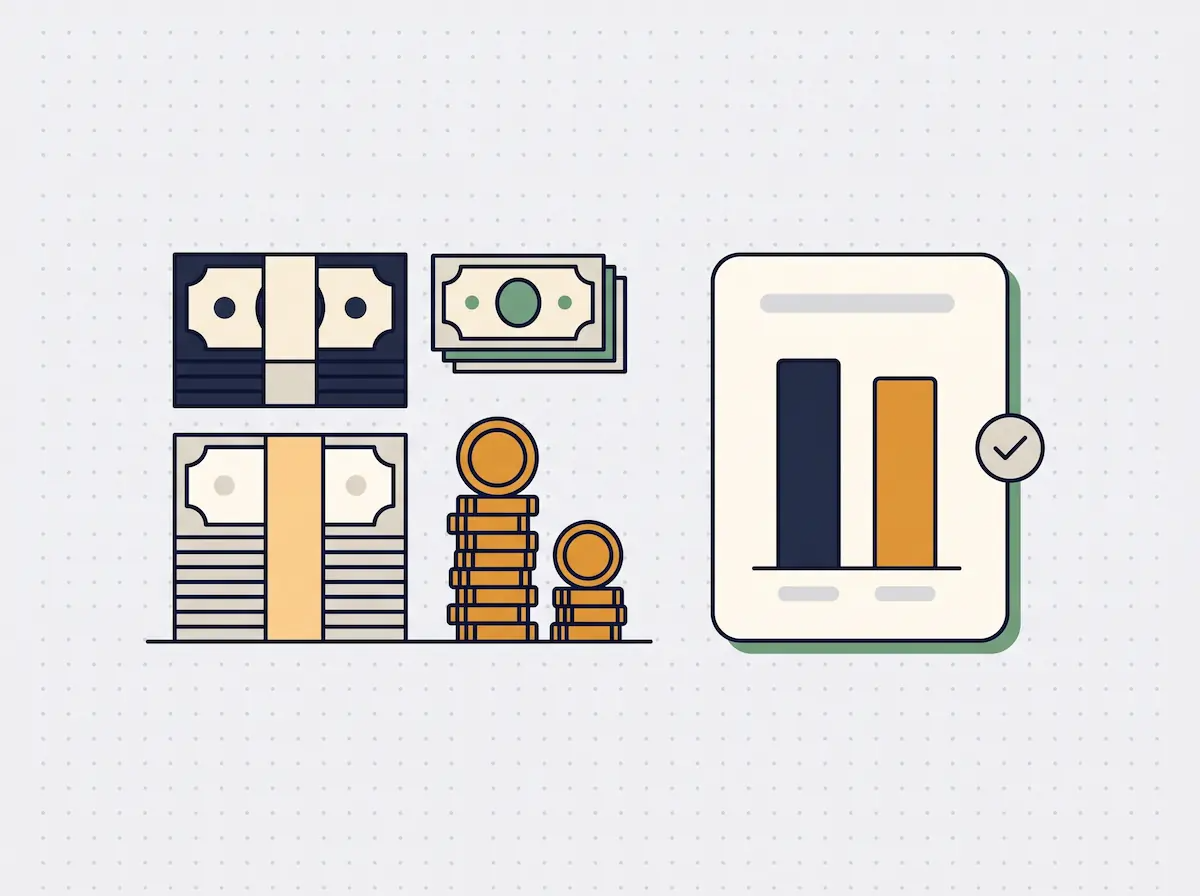
A healthy close runs through these steps: the cash in the drawer is physically counted, compared against the expected cash balance shown by the system, any difference is noted, and its cause is investigated. Then the opening float to carry into the next day is left in the drawer, and the excess cash on top is removed securely. The whole process is recorded on a cash count sheet.
A cash count sheet is a simple but important record showing who counted, the expected and counted amounts, the difference, and the date. Its value is twofold: it makes that day's responsibility concrete, and over time it reveals recurring shortage patterns. If small shortages keep appearing on the same cashier's shift, these sheets are how you spot it.
At this point it's worth separating the cash count from the end-of-day (Z) report. The Z report gives the sales summary for the day; the cash count checks whether the physical cash matches the system. The two complement each other. We cover how to run the end-of-day report and the financial side of the close in a separate article.
What to Do When a Shortage Appears
Even the best system throws up the occasional shortage; what matters is a systematic check, not panic. When a shortage shows up, following this order resolves most differences quickly:
Recount first: Some shortages are simple counting errors. Count the cash a second time, ideally with someone else.
Separate the payment channels: Check whether a meal-voucher or card payment was counted as cash by mistake — the most frequent source of a "fake shortage."
Review non-sale movements: See whether a payout, a tip distribution, or an advance was recorded.
Inspect the transaction history: Look at voids, refunds, and manual payouts in the POS log; check for any abnormal transaction.
Identify the shift: With per-employee drawers, pin down which shift the shortage came from and talk to that person — not to accuse, but to understand what happened.
Record and monitor: Note the difference on the sheet. A one-off small shortage is normal; a recurring pattern needs action.
Common Mistakes
Counting the drawer only at end of day: When a shortage is left until the evening, it's impossible to find when it happened; interim counts keep that trail fresh.
Counting all payments as one pile: A count that doesn't separate cash, cards, and vouchers produces shortages and surpluses that aren't real.
Everyone working from a shared drawer: When responsibility isn't personalised, shortages go unowned and repeat.
Not recording non-sale movements: When tips, advances, and payouts aren't logged, the count never balances.
Ignoring small shortages: €20 a day is a serious sum over a month; small but regular shortages are the most expensive kind.
Frequently Asked Questions
How much of a cash discrepancy is normal?
One-off, very small, explainable differences (like rounding on change) are considered normal. What matters is not the size but the repetition. Shortages that occur regularly and in the same direction — even if small — point to a systemic problem and should be investigated. The goal is to keep discrepancies "near zero and random."
Do I need special hardware for real-time cash management?
No. Real-time cash management is a feature of the POS software; it doesn't require a separate device. If your POS updates the expected balance on every cash transaction, keeps payment methods separate, and supports per-employee drawers, you can run real-time tracking on your existing hardware.
Is per-employee cash management necessary in a small business?
Yes — its effect is arguably clearer with a small team. Even with two or three staff, having everyone own their own shift lets you find the source of a shortage instantly. Personalising the system is the healthiest way to make responsibility clear in a small team without damaging trust.
How do meal-voucher payments affect cash discrepancies?
Set up correctly, they don't affect it at all. A meal-voucher payment never enters the physical drawer; it's tracked in its own channel. The problem only arises when such a payment is recorded as cash by mistake; then the expected cash balance inflates and a fake shortage or surplus appears. The fix is to select the correct payment method on every transaction.
Real-Time Cash Management with Kardo POS
In Kardo POS the drawer isn't an unknown waiting for the end of the day — it's a live figure you can see at any moment. Every cash transaction updates the expected balance instantly; cards, meal vouchers, and transfers are tracked separately in their own channels, so counting always happens on the right footing. Each cashier works with their own PIN, shift handover is completed in seconds by scanning a QR code, and who took over the drawer, when, and with what amount is logged automatically.
Tips, advances, and payouts are recorded with one tap; the end-of-day count is compared against the expected balance and kept as a cash count sheet. If you'd rather see and prevent cash discrepancies at their source than guess at them, you can try Kardo POS with your own business scenario in a demo and see first-hand how real-time cash management removes end-of-day surprises.